
Optimal Timing for Pest Control

Spring often sees increased pest activity, making it an ideal time for preventative fumigation.
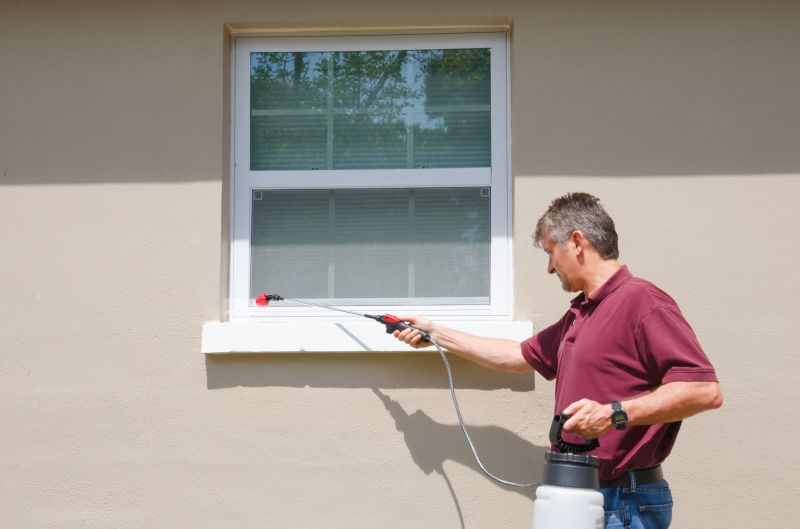
Summer months can lead to higher pest infestations due to warm weather and humidity.

Autumn is suitable for targeted pest control to prevent overwintering pests from establishing.
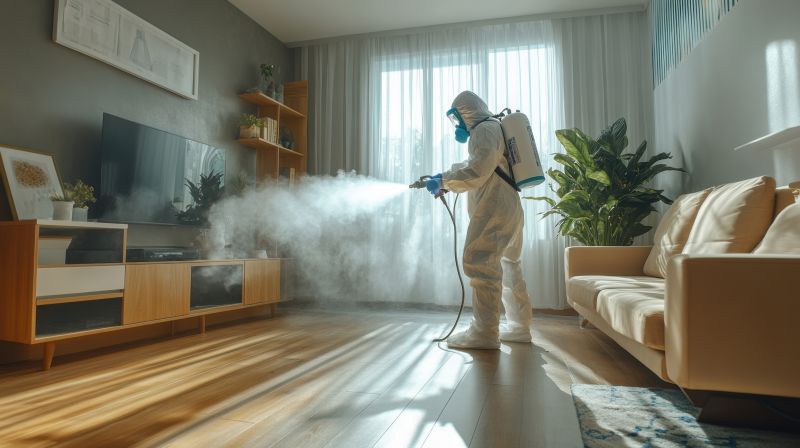
Ways to make Fumigation And Pest Controls work in tight or awkward layouts.

Popular materials for Fumigation And Pest Controls and why they hold up over time.
Simple add-ons that improve Fumigation And Pest Controls without blowing the budget.

High-end options that actually feel worth it for Fumigation And Pest Controls.
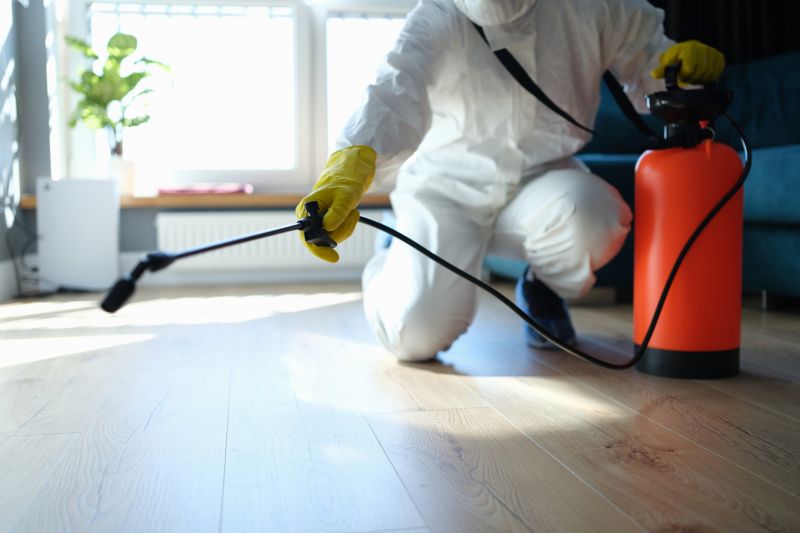
Finishes and colors that play nicely with Fumigation And Pest Controls.
Fumigation and pest control measures are most effective when timed appropriately to coincide with pest life cycles and seasonal activity patterns. Proper timing can reduce the need for repeated treatments and minimize pest populations efficiently.
Understanding seasonal pest behaviors helps determine optimal fumigation times for different pests.
Temperature and humidity influence pest activity, affecting when treatments are most effective.
Different property types may require specific timing strategies for pest control.
Preventative fumigation is best scheduled before pest populations peak, typically in early seasons.
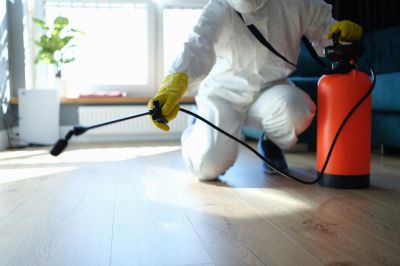
Increased pest activity begins as temperatures rise, making spring an ideal time for control.
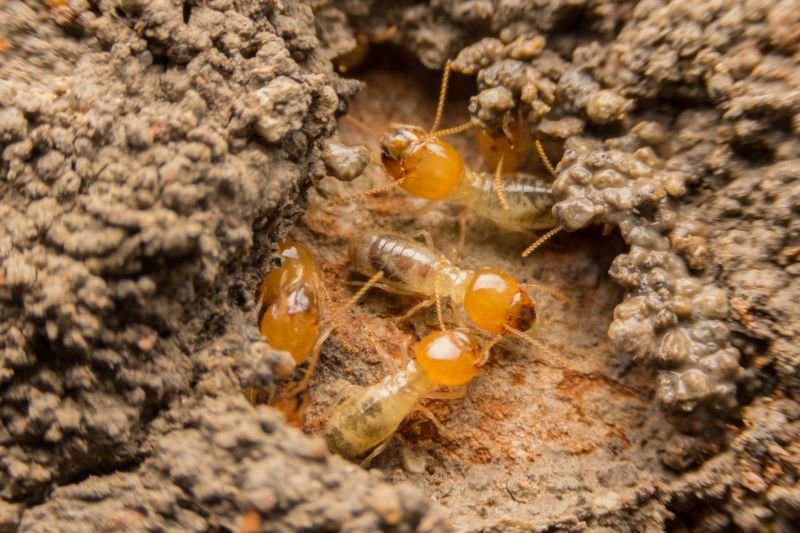
Warm and humid conditions promote pest breeding and infestations during summer.

Applying control measures in autumn helps prevent pests from overwintering.
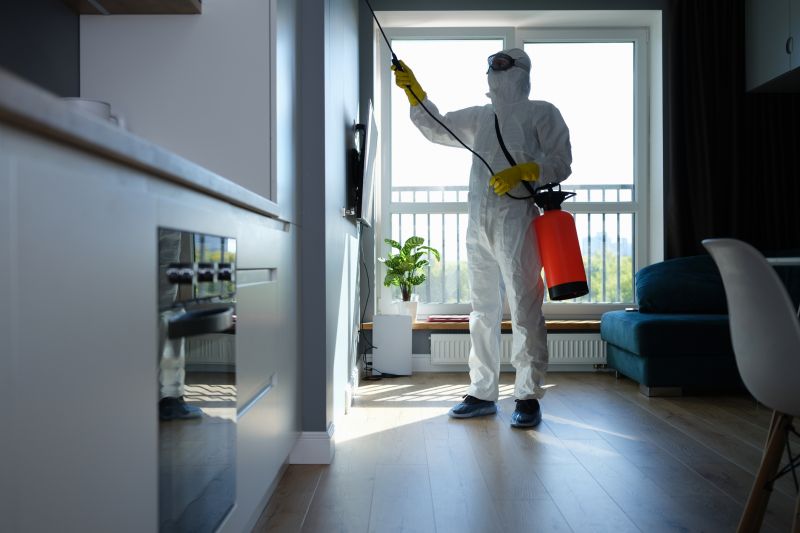
Pests are less active in winter, but targeted treatments can prevent spring outbreaks.

Optimal temperatures accelerate pest life cycles, influencing treatment timing.
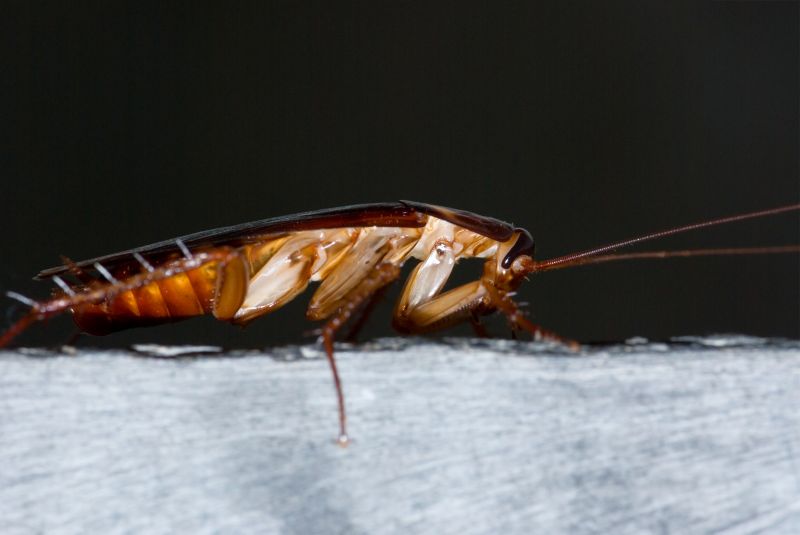
High humidity levels can increase pest activity, requiring timely intervention.
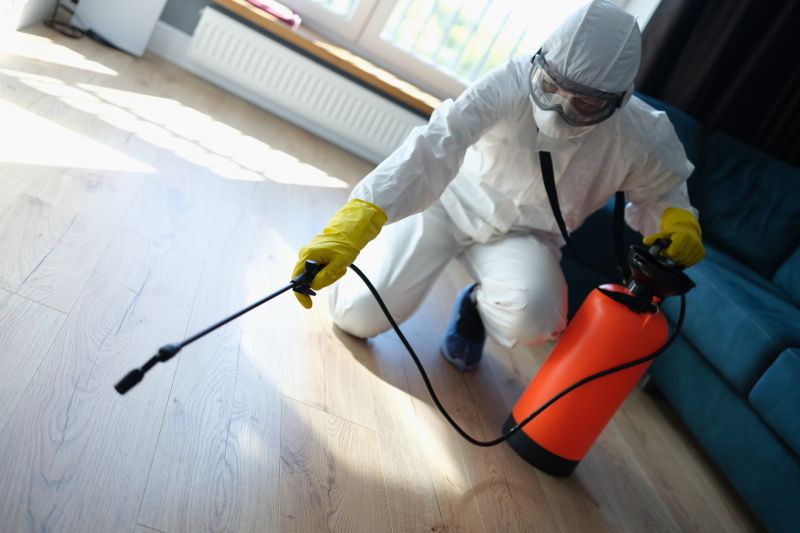
Identifying breeding seasons allows for strategic fumigation scheduling.

Timing treatments before construction minimizes future pest issues.
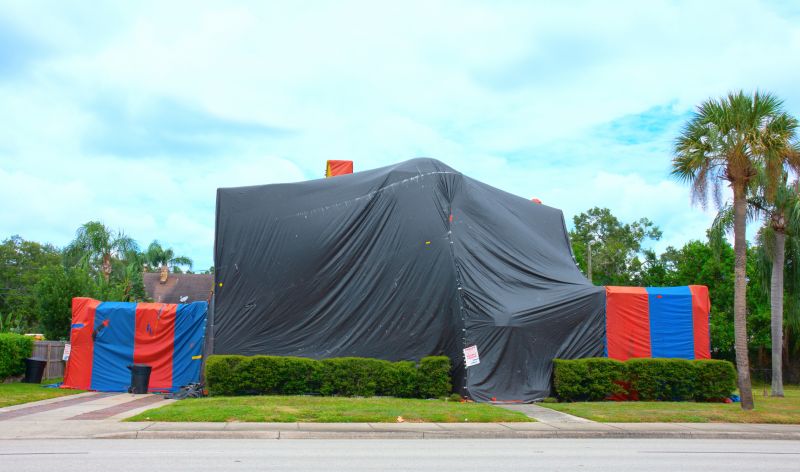
Post-construction fumigation ensures pest-free environments after building activities.
| Season | Ideal Fumigation Timing |
|---|---|
| Spring | Early spring before pest populations surge |
| Summer | Mid to late summer for active infestations |
| Autumn | Early autumn to prevent overwintering pests |
| Winter | Late winter for dormant pest control |
| Pre-construction | Before building or renovation activities |
| Post-construction | Immediately after construction completion |
Effective pest management relies on understanding seasonal variations and pest behaviors. Properly timed fumigation can significantly reduce infestations, protect property integrity, and maintain hygiene standards. Regular inspections aligned with seasonal cycles support proactive pest control strategies.

Modern equipment ensures thorough pest eradication during scheduled treatments.

Routine inspections identify optimal timing for targeted fumigation.

Little measurements that prevent headaches on Fumigation And Pest Controls day.

Pre-build treatments prevent future pest issues in new structures.

A 60-second routine that keeps Fumigation And Pest Controls looking new.

A frequent mistake in Fumigation And Pest Controls and how to dodge it.
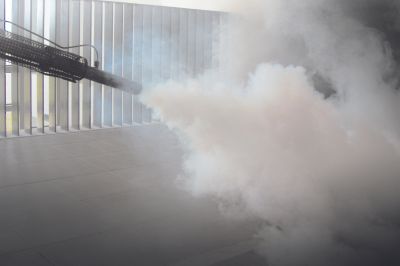
Small tweaks to make Fumigation And Pest Controls safer and easier to use.
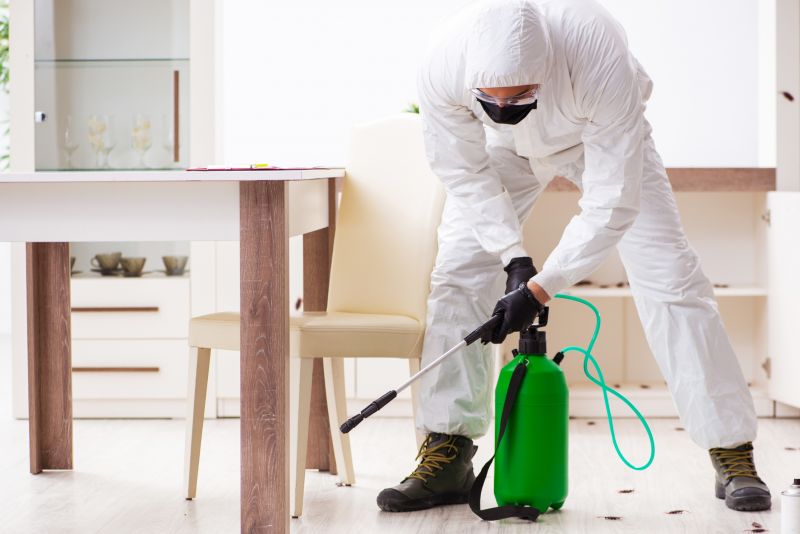
Lower-waste or water-saving choices for Fumigation And Pest Controls.
Interested parties are encouraged to contact for more information about scheduling pest control treatments at the most effective times for their specific needs.